



Philippines
Manila - Philippines
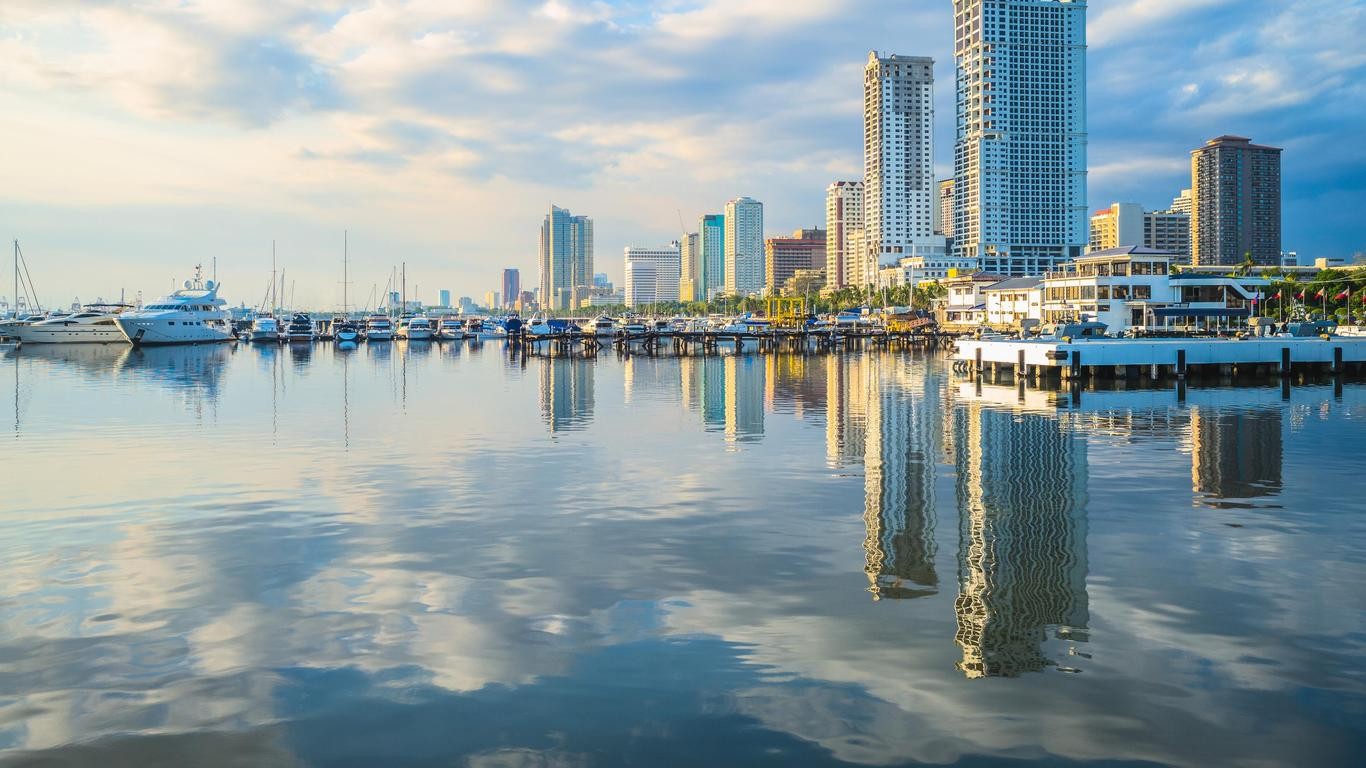
Don't miss the opportunity to visit this beautiful place, don't know how to go? Don't worry, go to bitbook.net and easily book all you'll need to get there and have a great time.
Gigantic, extremely chaotic and without major historical attractions (since almost everything was destroyed in World War II), it is the antithesis of the paradisiacal scenery of the Philippines. If you're just looking for tropical landscapes in the country, it's best not to leave the capital's airport.
On the other hand, if you are one of those people who enjoy the hustle and bustle of Asian metropolises and their mix of tradition and modernity, you have a 100% chance of loving the city. Because behind all this chaos, there are amazing places.
One of the first things you notice when you start preparing your trip to Manila is that the name of the city applies to it and also to the set formed with its neighboring cities.
The City of Manila is just one of the 16 or 19 municipalities (the number changes depending on your Filipino interlocutor) that make up the area called Metro Manila.
The differences – especially for tourists – are as follows:
The name “Manila” is used to define both the City of Manila and Metro Manila;
Attractions and hotels are not only in the City of Manila, but also in its neighbors that form Metro Manila.
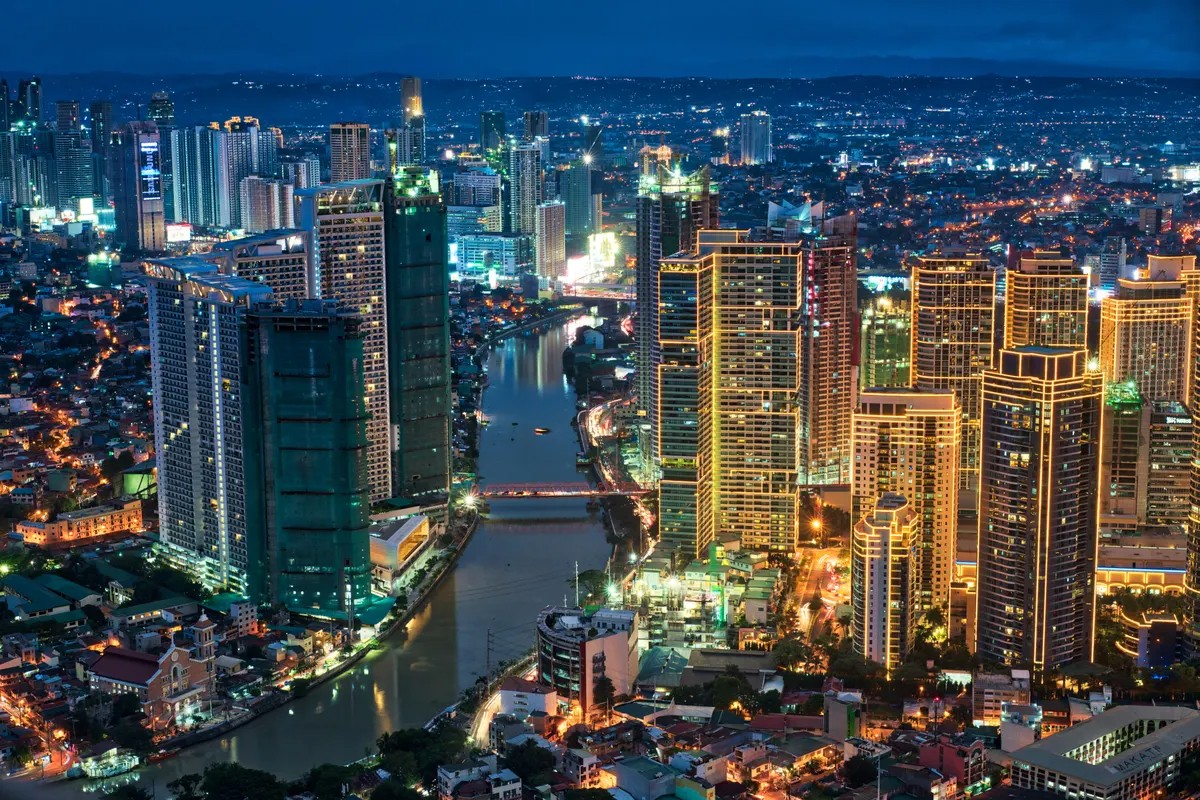
Where to stay in Manila
There are hotels in all the main cities of Metro Manila, but the most interesting ones are in the modern areas or close to the main tourist attractions.
Lonely Planet has an excellent table indicating the characteristics and pros and cons of each region. Here are the ones I recommend the most:
Intramural: calm, close to historical attractions, lower prices, more “authentic” scenarios, but empty and without options at night.
Makati: modern, with high standard hotels, busy nightlife and many options of good restaurants in the surroundings.
Bonifácio Global City (BGC): similar to Makati, with the advantage of being even more modern.
What to do in Manila
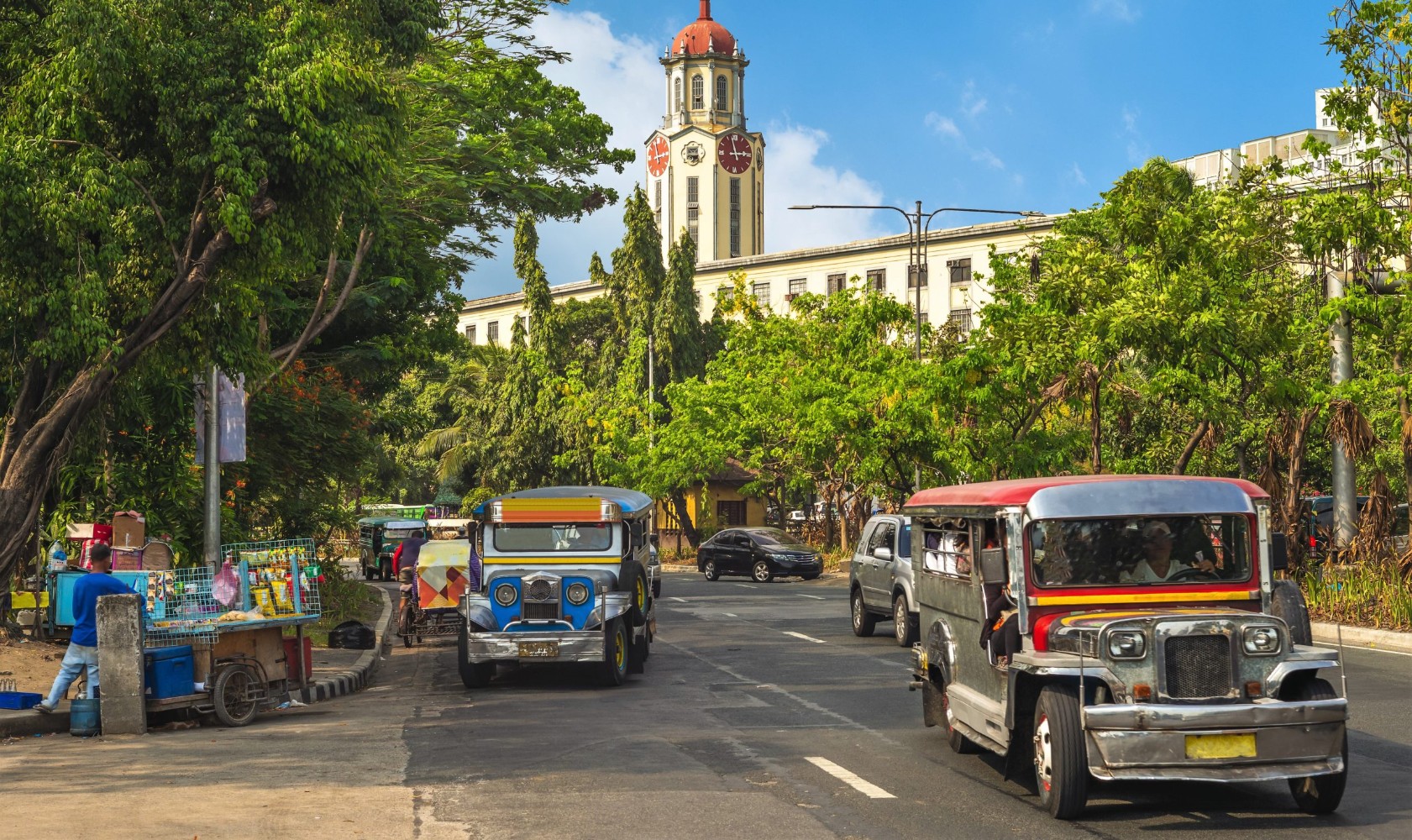
As mentioned above, Manila does not have great historical attractions, since practically everything was destroyed in World War II. So what remains to be seen – in addition to the little that was left standing after the bombs – is the bustle of the metropolis itself, the most modern areas (with their excellent restaurants) and the Binondo region, the oldest “Chinatown” in the world .
Historical region: intramural
As the name implies, Intramuros is a fenced area, an ancient fort.
You could say that it was there that post-Spanish colonization Manila was born, since its construction took place shortly after the definitive conquest of the city by the Spaniards, in the 1500s, to serve as a safe headquarters for all the administrative buildings in the capital, in addition to churches, convents, monasteries and, of course, the homes of the local elite.
Although it has withstood several invasion attempts by other conquerors, intramural was totally devastated in the Battle of Manila, in 1945, when only the Church of Santo Agostinho was left standing. Consequently, almost everything we see there today is a reconstruction of what was in the area.
Within intramural, the main attractions are these below.
fort santiago
This fortress served as part of the security structure of the Intramuros area and also as a prison for political dissidents, rebels and all those who tried to reduce the power of the Spaniards.
The biggest name among Filipino nationalists, José Rizal, was imprisoned there before being executed. His last steps between prison and the place of execution are recorded on the floor of the fort.
In addition to the beautiful open areas (an oasis in the midst of the city's hustle and bustle), Fort Santiago has the Museu ni Jose Rizal, dedicated to the revolutionary leader.
Church and Monastery of Saint Augustine
Not only for the beauty of its baroque interior, but also for its survival (it is the oldest in the Philippines) and for being considered a World Heritage Site, the Church of Santo Agostino is a must-see for anyone who wants to experience something genuine historical in Manila.
Be sure to stroll through the monastery that is right next door and its museum. Everything is very interesting and very beautiful.
Modern regions: Makati and Bonifacio Global City
Dedicate good hours of your day to strolling through these two regions (which are glued to each other), even more so if you are looking for shopping and good restaurants.
Makati is considered the financial heart of the Philippines, where all the major companies located in the city are headquartered. And for aviation fans, it has one more attraction: its main point is exactly where Manila's airport operated almost a century ago, and the current Makati and Ayala avenues (which form an intersection) were the landing strips. Want more? The beautiful art deco building where the Blackbird restaurant is located was nothing less than the airport terminal.
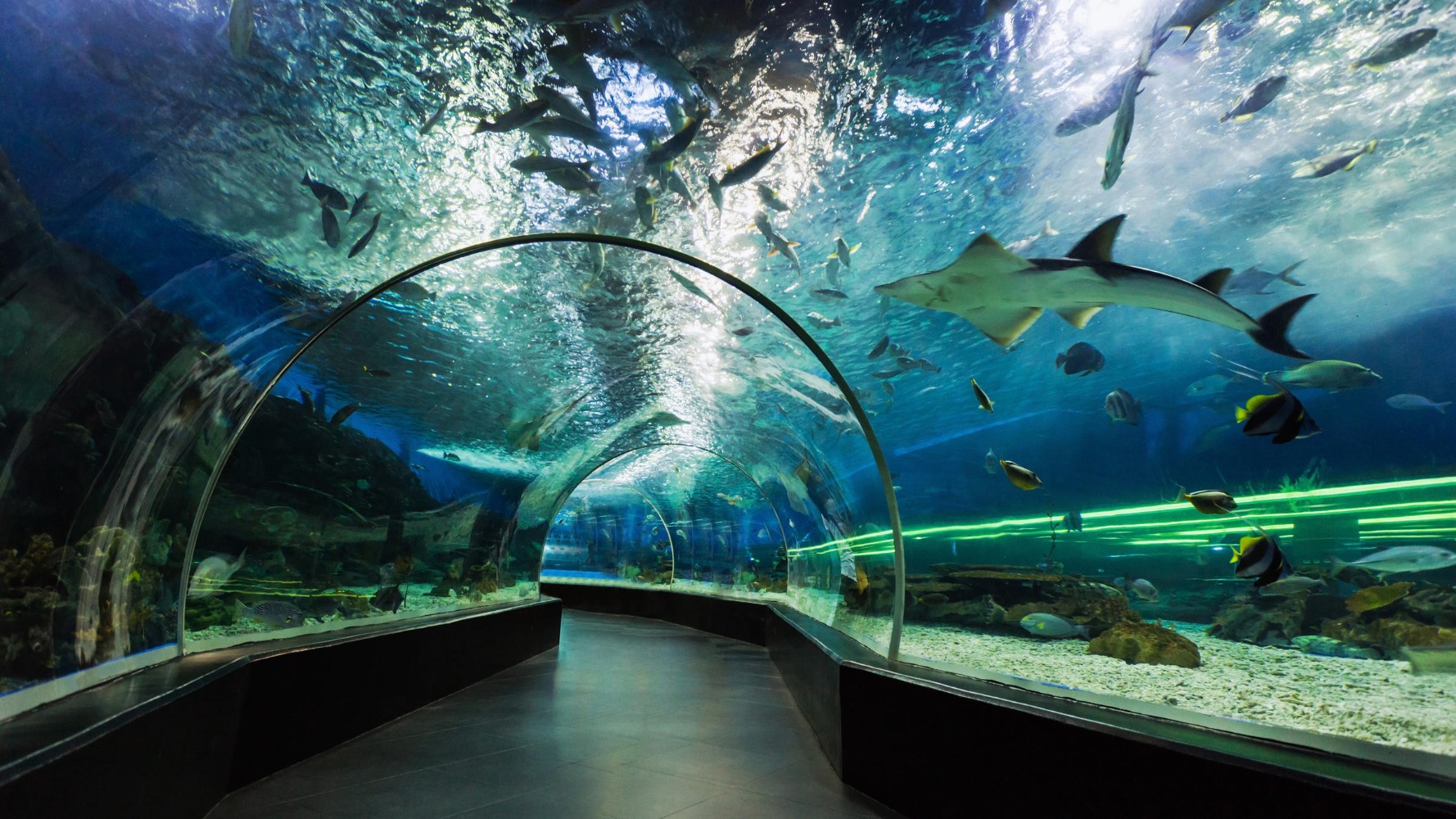
Now that you've got all the tips, all you have to do is set up the itinerary, choose the accommodation using BITBOOK.NET, pack your suitcase and throw yourself into the charm of this amazing place.
I have no doubt that you will have unforgettable days. If you have any questions, leave them in the comments and we'll be happy to answer them!
Safe travel and enjoy this amazing place!